

Dedicated to the primary sectors & ideologies of feminism/feminist philosophy. Take a look around and learn about the various types of feminism often explored in literature
Feminism has no uncontroversial definition; feminist philosophers and authors constantly utilize the term in different ways. This is primarily because feminism is approached in different ways by different women. Every person develops their own conscience on how to achieve and participate in the feminist rebellion. This section works to briefly introduce (some of) the major different branches of feminism. By learning their differences and goals, we can create a more educated and united community.
LIBERAL FEMINISM
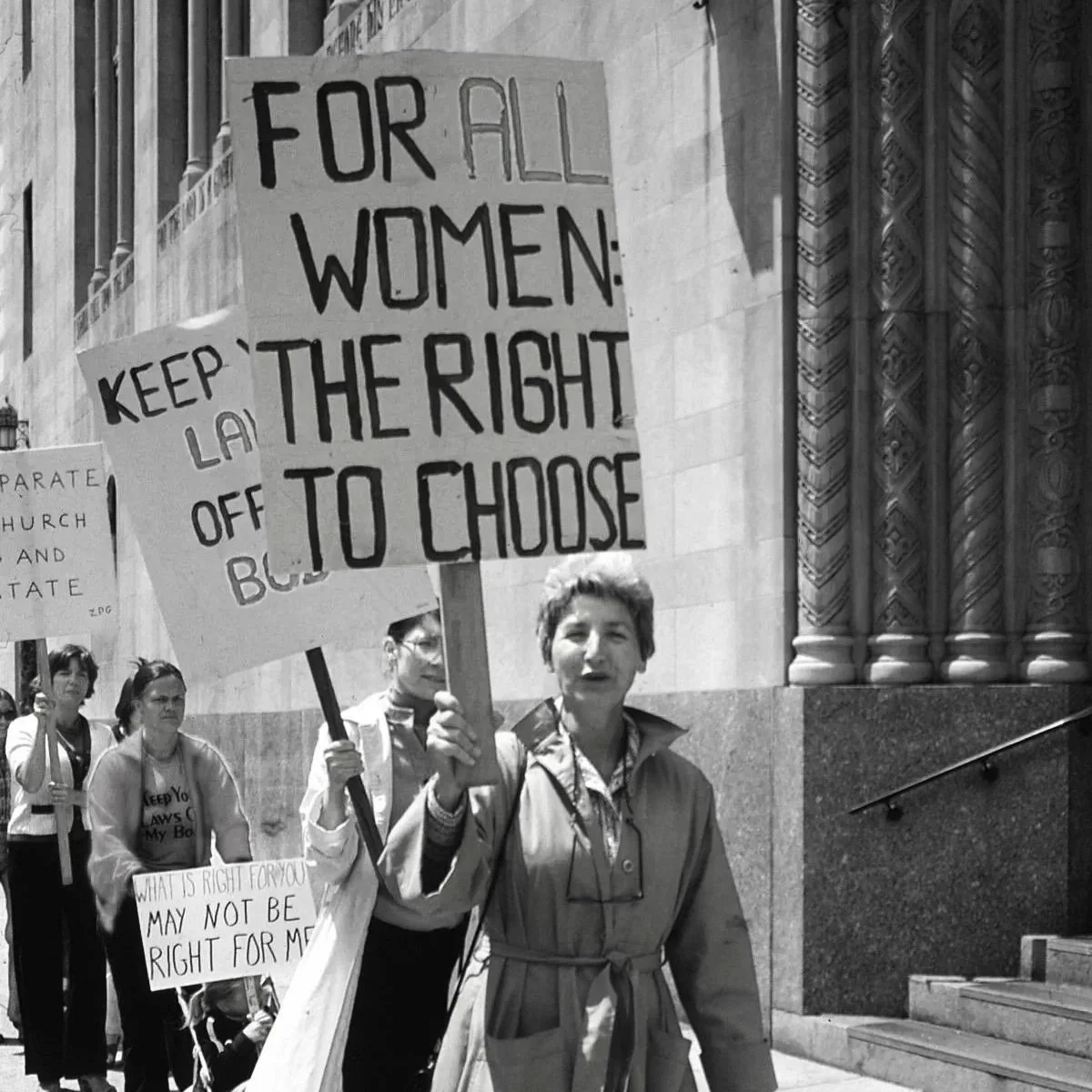
“We hold these truths to be self-evident: that all men and women are created equal." —Elizabeth Cady Stanton, Declaration of Sentiments (1848)
Liberal feminism is a branch of feminism that focuses on reform within the system currently constructed in society. Its focus is on achieving equal rights for women, legally and politically, and is deeply grounded in general liberal philosophy. There is an emphasis on autonomy, equal opportunity, and rebellion that works within the preestablished democratic institution. Beginning in the late 1700s, liberal feminism is championed by authors such as Mary Wollstonecraft and Betty Friedan.
RADICAL FEMINISM
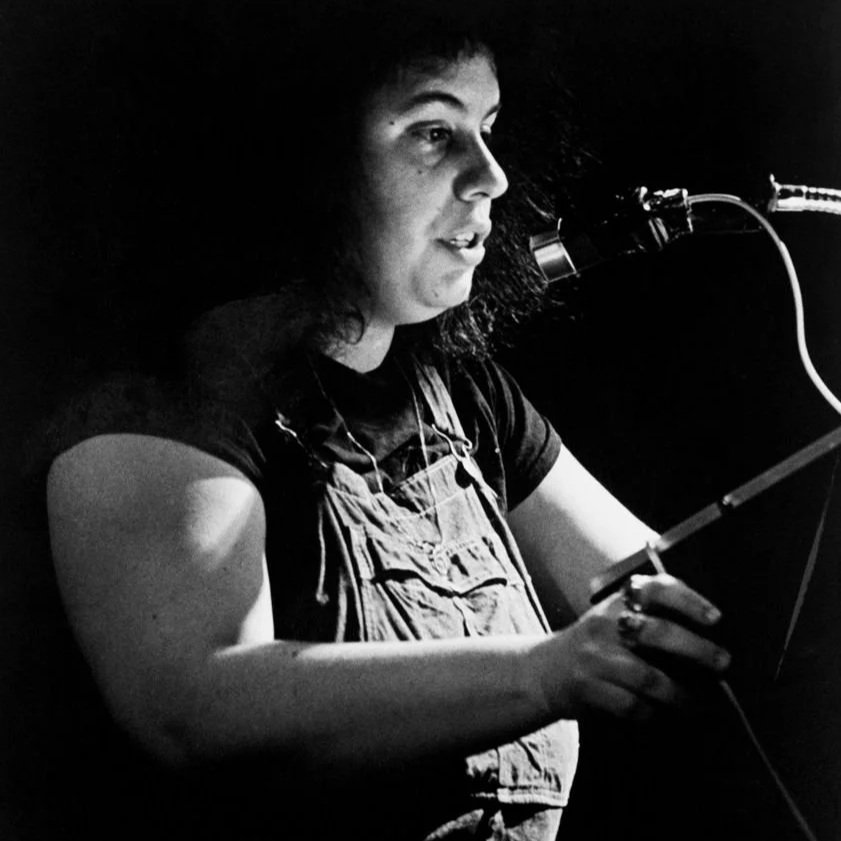
“Many women, I think, resist feminism because it is an agony to be fully conscious of the brutal misogyny which permeates culture, society, and all personal relationships.” ― Andrea Dworkin, Our Blood: Prophecies and Discourses on Sexual Politics
Radical feminism (often referred to as “radfem”) focuses entirely on the patriarchal roots of society, working to dismantle the entire structure of male supremacy. Radfems don’t focus on reform, but on reconstruction. It forces a close examination of the reasons behind women’s oppression and harshly critiques gender roles. Radical feminists tend to address topics such as sexual violence, domestic abuse, and pornography as systemic mechanisms to control women. This branch is most championed by Andrea Dworkin and Catharine MacKinnon.
MARXIST FEMINISM
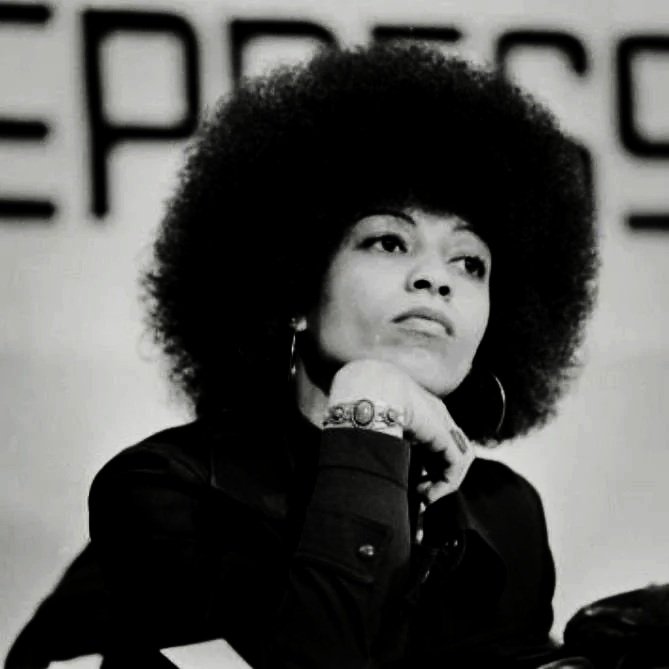
“The feminine section of the proletarian army is of particularly great significance... the success of a revolution depends on the extent to which women take part in it.”
― Vladimir Lenin
Marxist feminism is a branch of feminist philosophy that takes its theoretical foundation from Marxism. The fundamental theory links women’s oppression in society as a byproduct of capitalism. It emphasizes that liberation from the patriarchy (gender equality) is not possible without completely deconstructing capitalist systems first. This idea can be seen more clearly when thinking of the traditional gender hierarchy; women do most unpaid domestic labor, and capitalism exploits the “free” responsibilities women take on to keep the system running. Marxist feminism states that gender bias is deeply entrenched in class struggle. Because women are faced with the dual oppression from capitalism and patriarchy, both matters must be intertwined, and the former must be acknowledged to dissipate the latter.
INTERSECTIONAL FEMINISM
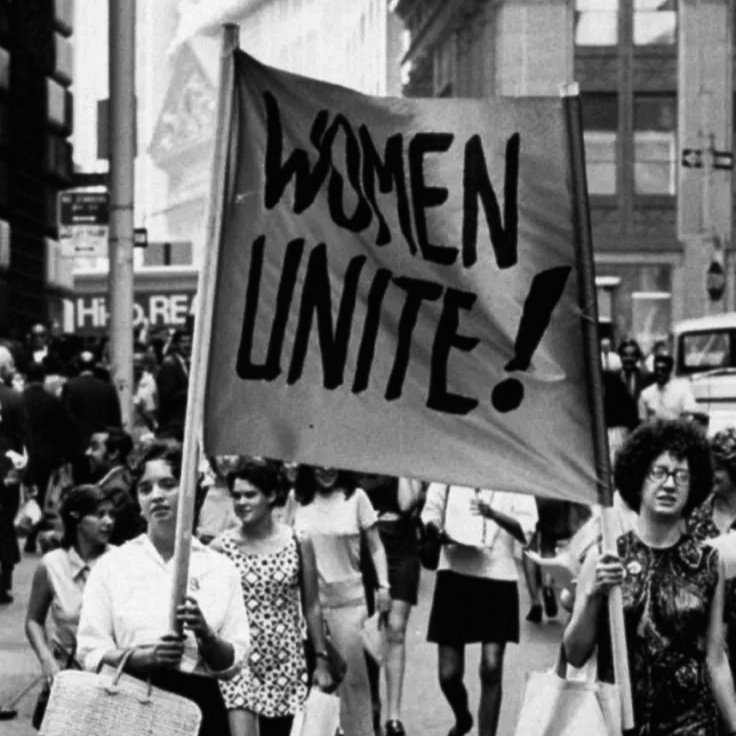
“Some problems we share as women, some we do not. You fear your children will grow up to join the patriarchy and testify against you; we fear our children will be dragged from a car and shot down in the street, and you will turn your backs on the reasons they are dying.”
― Audre Lorde
Intersectional feminism is a framework that can be applied to different ideological contexts. It explores how multiple systems of oppression work together against some groups, and that the fight for feminism is not a “one-size-fits-all” but rather a deeply personal fight based on lived experience. Primarily as a response to white feminism, intersectionality brings to light the importance of understanding that no definition fully encompasses what every woman needs; rather, all women have different degrees of liberation that need to be addressed accordingly. By emphasizing marginalized voices, intersectional feminism works to further the movement by leaving no one behind.
ECOFEMINISM
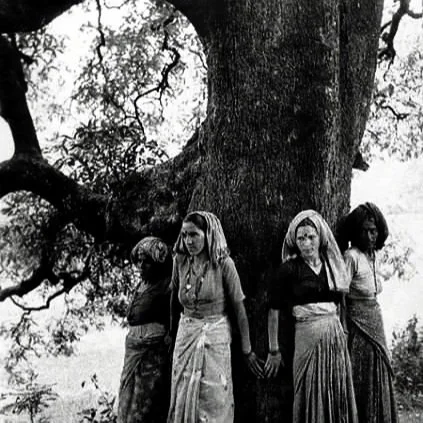
“If dominating and destructive relations to the earth are interrelated with gender, class, and racial domination, then a healed relation to the earth cannot come about simply through technological 'fixes'. It demands a social reordering to bring about just and loving interrelationship between men and women, between races and nations, between groups presently stratified into social classes, manifest in great disparities of access to the means of life.” ― Rosemary Radford Ruether, Gaia and God: An Ecofeminist Theology of Earth Healing – A Path to Wholeness for Men, Women, and Communities Worldwide
Women and nature- these two pillars summarize the branch of ecofeminism. Ecofeminism is both a theory and movement connecting the systemic oppression of women with the exploitation of our natural earth, emphasizing both their roots in patriarchal structures. By looking at how issues of climate change, pollution, and poverty impact women, ecofeminism prioritizes the interconnected struggle of women and nature.